The Panic in Needle Park (1971) is a raw and haunting drama that captures the brutal cycle of drug addiction in New York City. Directed by Jerry Schatzberg, the film offers an unfiltered look at the lives of heroin users in the early 1970s, focusing on a relationship built on both affection and dependence. Its gritty realism and powerful performances make it one of the most striking portrayals of addiction ever put on screen.
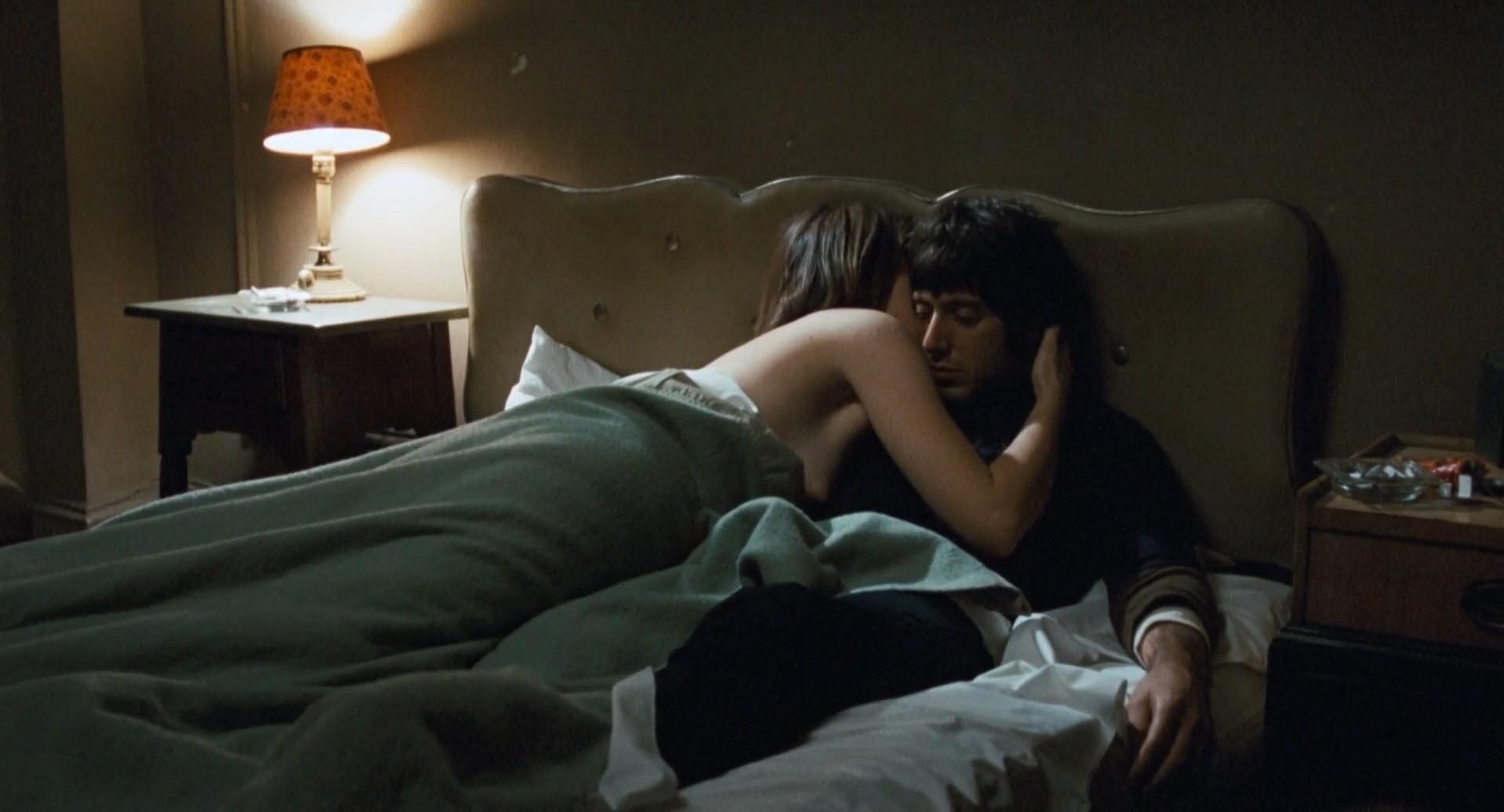
The story centers on Bobby, a small-time hustler and heroin addict played by Al Pacino in his breakout role, and Helen, a vulnerable young woman who enters his world during a moment of personal crisis. What begins as a tender connection slowly evolves into a destructive bond, pulling Helen deeper into the harsh reality that defines Bobby’s everyday life.
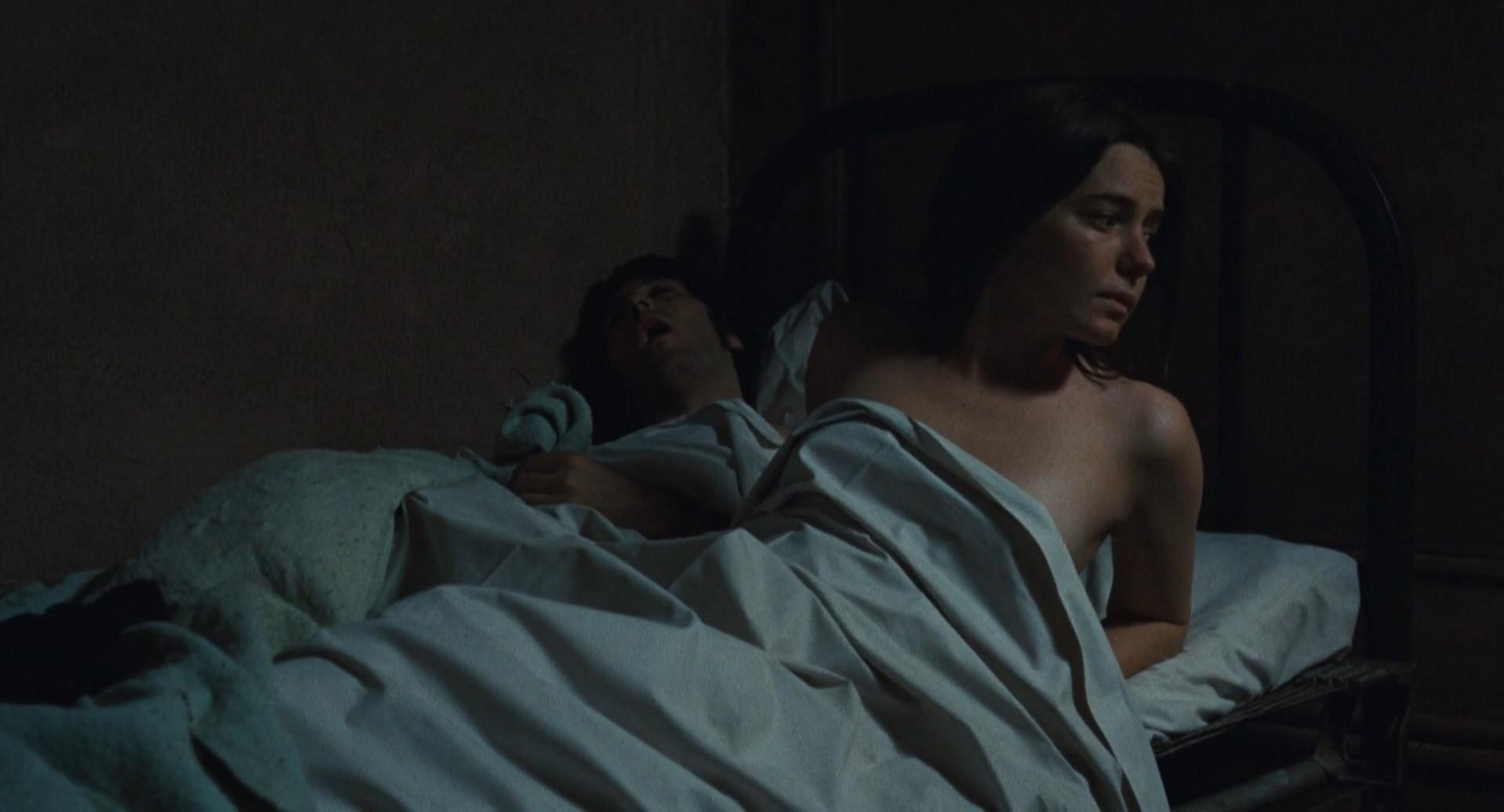
Much of the film takes place in and around “Needle Park,” a gathering place for drug users who spend their days searching for their next fix. Helen starts as an outsider, watching the rituals, the desperation, and the constant struggle for survival. As her attachment to Bobby grows, she finds herself slipping into addiction, blurring the line between love and self-destruction.
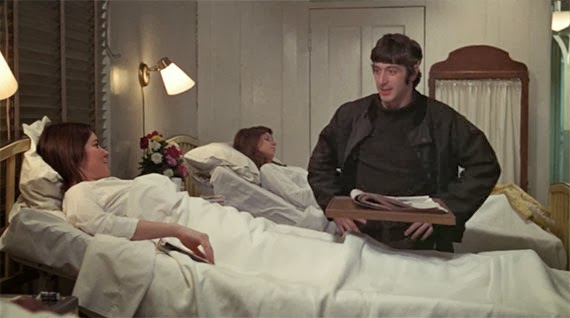
The Panic in Needle Park avoids glamorizing drug use. Instead, it presents heroin addiction with stark honesty. Scenes of withdrawal, fear, and impulsive decisions emphasize the relentless cycle that traps its characters. The relationship between Bobby and Helen becomes both a comfort and a curse, illustrating how addiction can warp even the deepest emotional connections.
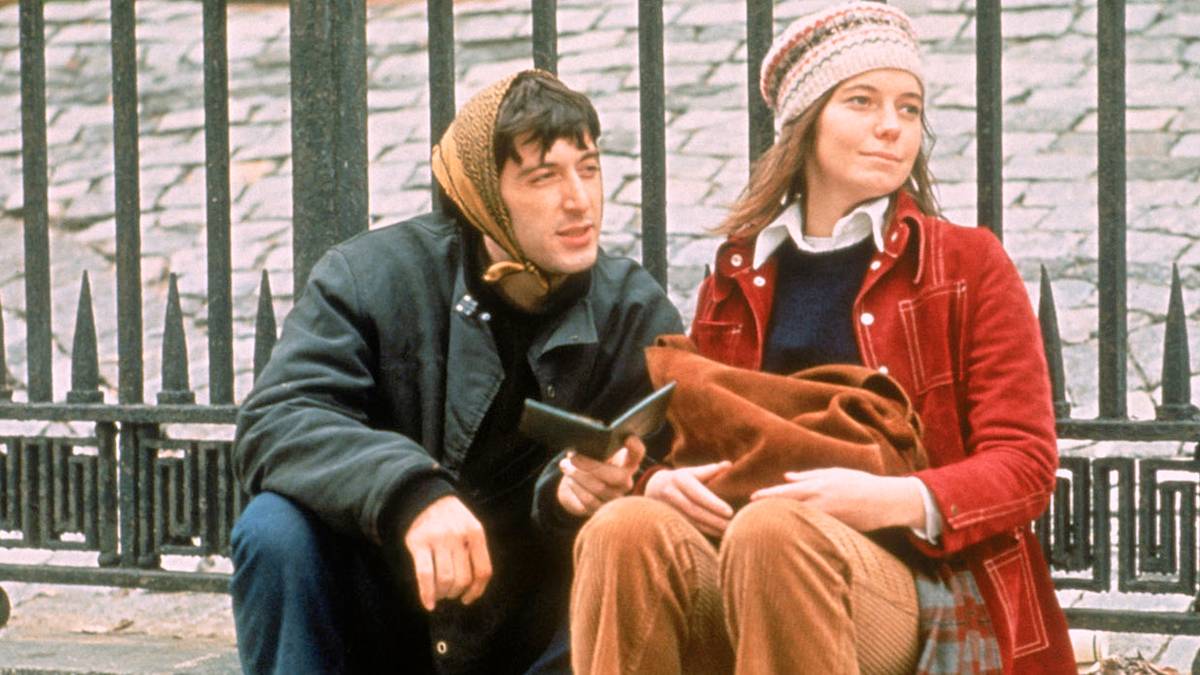
Schatzberg’s documentary-style approach amplifies the film’s authenticity. Handheld camera work, natural performances, and unpolished locations immerse the viewer in the bleak atmosphere of New York’s drug scene. The absence of judgment or moral commentary allows the story to speak for itself, revealing addiction as a force that slowly consumes everything.
By the end, the consequences of their lifestyle become unavoidable. Bobby is arrested in a drug bust, leaving Helen standing outside the police station, torn between despair and loyalty. Her expression suggests the painful truth: despite everything, she may still be bound to him and to the destructive world they shared.