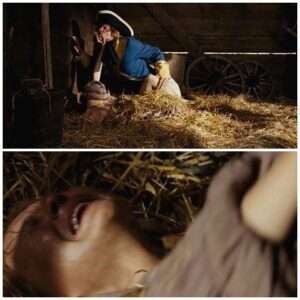
Released in 1995, “All Things Fair” is a captivating Swedish film that delves into the complexities of human relationships against the backdrop of World War II. Directed by Bo Widerberg, this movie takes viewers on a compelling journey through the lives of its characters, offering a unique perspective on love, morality, and the impact of war.

The storyline of “All Things Fair” unfolds in a small town in Sweden during the 1940s, where a young high school student named Stig becomes infatuated with his beautiful and enigmatic teacher, Viola. As their forbidden relationship blossoms, the film explores themes of desire, lust, and the blurred boundaries between right and wrong.
One of the most striking aspects of the movie is its powerful portrayal of the emotional turmoil and moral dilemmas faced by the characters. Stig’s internal conflict between his feelings for Viola and societal norms creates a tension that drives the narrative forward, keeping viewers on the edge of their seats.
Through its evocative storytelling and nuanced character development, “All Things Fair” offers a thought-provoking commentary on the complexities of love and desire. The film challenges viewers to confront their own beliefs about ethical boundaries and the nature of relationships, prompting reflection on the intricacies of human emotions.
In addition to its gripping narrative, “All Things Fair” also stands out for its visually stunning cinematography and authentic period detailing. The film effectively captures the ambiance of wartime Sweden, immersing viewers in a world fraught with tension and uncertainty.
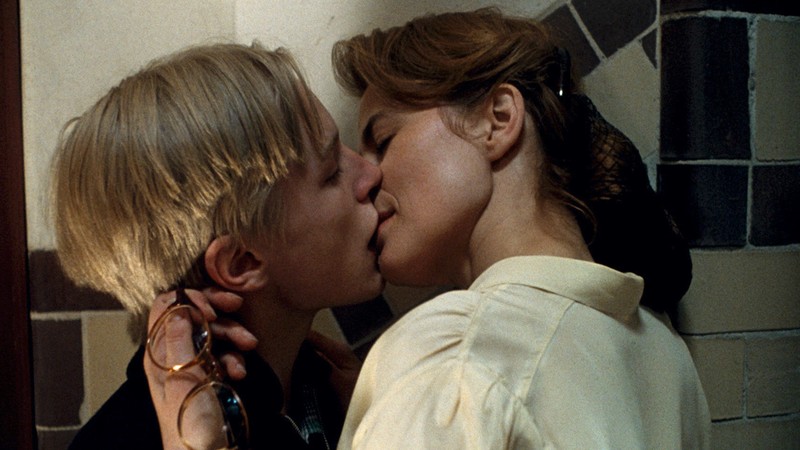
Overall, “All Things Fair” is a cinematic gem that offers a poignant exploration of love, desire, and morality in the midst of war. With its compelling storyline, rich character development, and exquisite cinematography, this movie continues to captivate audiences and remains a timeless classic in the realm of international cinema.