-Tarzan 2026: A Modern Reimagining of the Jungle Hero Faces New Threats

Tarzan 2026 marks the return of one of literature’s most enduring adventure figures, placing the iconic jungle guardian in a contemporary conflict shaped by environmental pressure and human intrusion. With early details pointing to a large-scale confrontation between Tarzan and external forces threatening his home, the film aims to balance classic storytelling with modern cinematic expectations—an approach that could determine its relevance in today’s crowded action-adventure landscape.

Key Developments / Main Topic
At its core, Tarzan 2026 centers on a familiar premise: the defense of the jungle against outside exploitation. This time, however, the stakes are elevated through the involvement of organized groups, including poachers and heavily armed mercenaries, signaling a more grounded and contemporary antagonist structure.
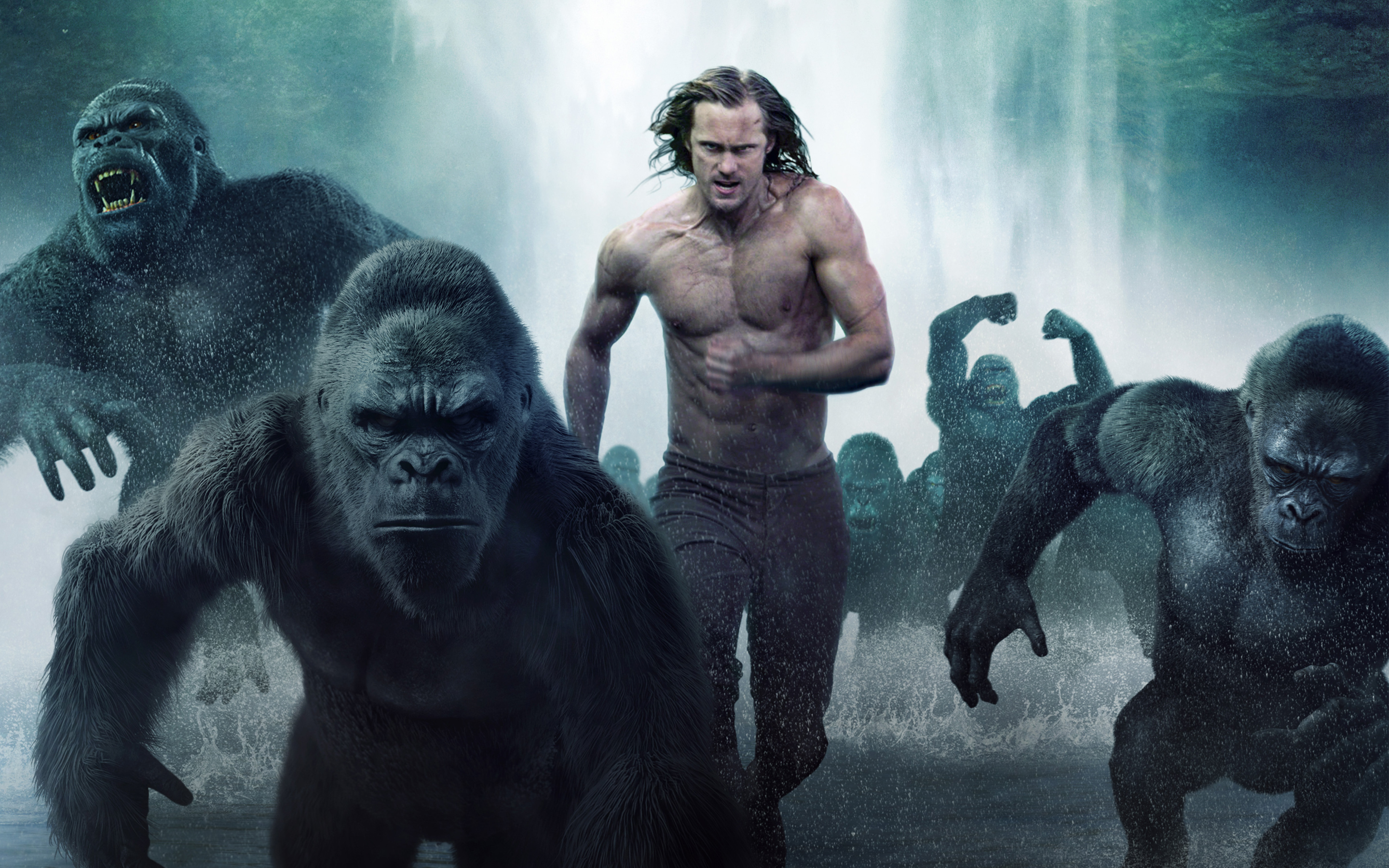
The narrative builds toward a large-scale jungle confrontation, where Tarzan must use both instinct and strategy to protect his territory. Early indications suggest a blend of physical combat, environmental tactics, and survival-driven action sequences that emphasize his connection to the natural world.
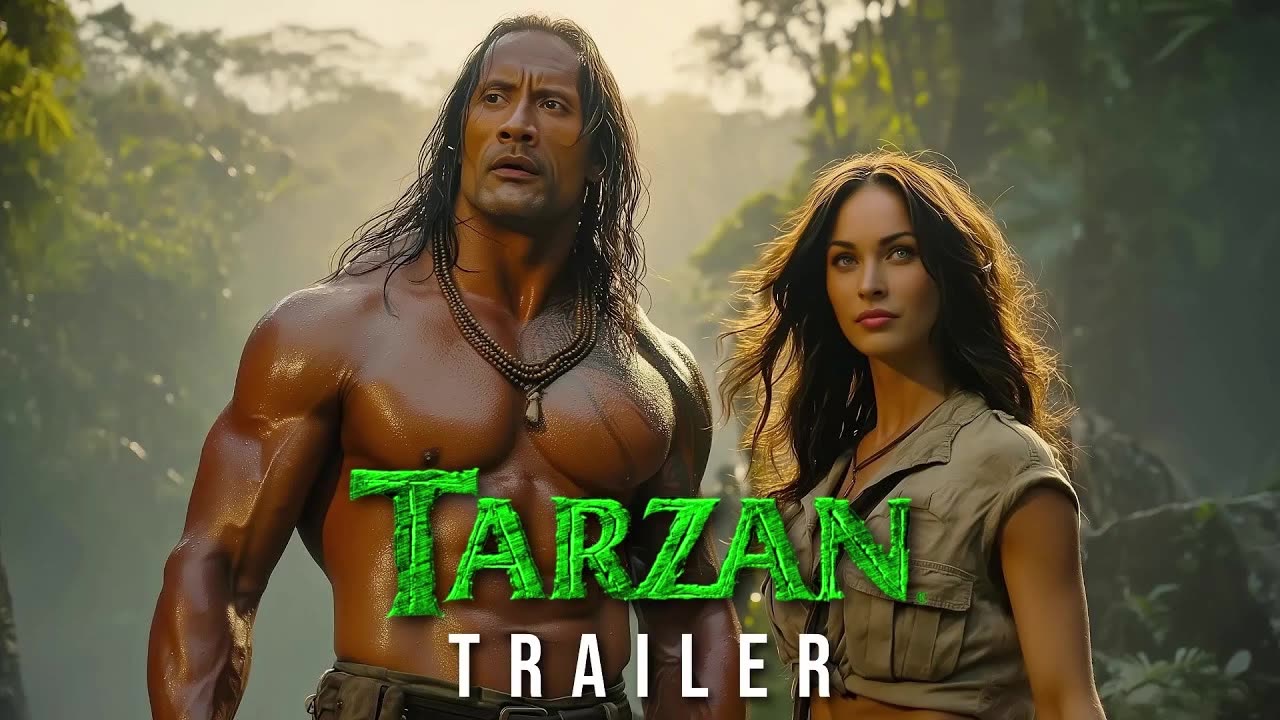
There is also growing speculation surrounding casting, including discussions about a high-profile lead actor stepping into the role. While unconfirmed, such conversations have contributed to heightened public interest and debate about the direction of the character.
But beyond the action, the film appears to be asking a deeper question.
What does it mean to protect a world that is no longer untouched?
Background & Context
Tarzan, originally created by Edgar Rice Burroughs, has undergone numerous adaptations across film, television, and literature. Traditionally portrayed as a figure caught between two worlds—civilization and the wild—the character has often reflected changing cultural attitudes toward nature, identity, and exploration.
In recent years, reinterpretations of classic characters have leaned toward realism and thematic depth. Tarzan 2026 seems aligned with this trend, positioning the jungle not merely as a backdrop, but as a contested space shaped by human activity.
The inclusion of modern threats such as organized poaching networks reflects real-world concerns about conservation and ecological preservation. This shift provides an opportunity for the film to move beyond nostalgia and engage with contemporary issues.
It is a familiar story.
But the context has changed.

Analysis or Impact
The success of Tarzan 2026 may depend on its ability to reconcile legacy with innovation. Audiences are likely to expect recognizable elements—sweeping landscapes, physical prowess, and a strong emotional connection to the jungle—while also demanding a narrative that feels relevant.
The emphasis on environmental conflict introduces a layer of urgency. By framing the jungle as under siege, the film taps into broader global concerns about deforestation, wildlife exploitation, and ecological imbalance. This thematic direction has the potential to elevate the story beyond conventional adventure.
At the same time, the film must navigate the challenge of tone. Balancing high-intensity action with reflective storytelling requires careful pacing and character development. If handled effectively, this balance could position Tarzan 2026 as both an entertaining spectacle and a meaningful narrative.
“A legend endures not by remaining unchanged, but by adapting to the world around it.”
This principle may ultimately define the film’s impact.
What Works — And What Doesn’t
What works:
- A timeless central character with strong global recognition
- A narrative grounded in contemporary environmental issues
- The potential for visually striking, immersive jungle settings
- Action sequences that emphasize strategy and survival
What may not work:
- The risk of relying too heavily on familiar tropes
- Uncertainty surrounding casting and audience expectations
- The challenge of balancing spectacle with narrative depth
The effectiveness of Tarzan 2026 will depend on how well it addresses these factors without losing its core identity.
Conclusion
Tarzan 2026 represents another chapter in the evolution of a character that has persisted for over a century. By placing him in a modern conflict shaped by environmental and human pressures, the film seeks to reinterpret his role for a new generation.
Its success will hinge on whether it can deliver a story that feels both familiar and necessary—honoring the essence of Tarzan while acknowledging the complexities of the present.
In returning to the jungle, the film is not just revisiting a legend—it is redefining it.
Frequently Asked Questions
What is Tarzan 2026 about?
The film follows Tarzan as he defends his jungle home from external threats, including poachers and mercenaries, in a story that blends classic adventure with modern environmental themes.
Is Tarzan 2026 connected to previous adaptations?
While inspired by the original character created by Edgar Rice Burroughs, the film appears to be a standalone reinterpretation rather than a direct sequel.
Who is cast as Tarzan in the 2026 film?
There is speculation about casting, but no official confirmation has been announced at this time.
What themes does the film explore?
The story explores themes of environmental protection, identity, and the conflict between nature and human expansion.
Will Tarzan 2026 focus more on action or story?
The film is expected to combine large-scale action with a more grounded, character-driven narrative to appeal to modern audiences.