Everyone thought this franchise was buried in the sands of Barsoom.
They were wrong.
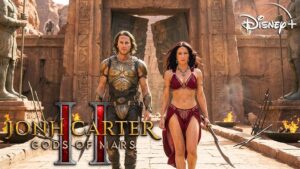
John Carter 2: The Gods of Mars doesn’t just return — it erupts, dragging audiences into a war so massive, so mythic, it makes the original feel like a prologue we never fully understood.
And here’s the twist: it almost collapses under its own ambition… but somehow, thrillingly, it doesn’t.
What This Film Is Really About
On the surface, this is a sci-fi epic about war, power, and survival on Mars. But beneath the spectacle, it is something far more unsettling.
What happens when gods aren’t saviors — but tyrants?
The film expands Barsoom into a battlefield of ideology, where ancient deities awaken not to protect, but to dominate. The story shifts from heroic adventure into a darker war between free will and divine control.
John Carter is no longer just a warrior.
He is a man caught between destiny and defiance.
Performance & Characters
Taylor Kitsch as John Carter
Taylor Kitsch returns with a hardened edge that feels earned. His Carter is no longer the wide-eyed outsider. He is battle-scarred, conflicted, and dangerously close to breaking.
It may be his most compelling turn in the role.

Lynn Collins as Dejah Thoris
Lynn Collins gives the film its sharpest emotional blade. Dejah Thoris evolves into a warrior-queen who commands every scene with intelligence, fury, and grace.
She is not simply fighting beside John Carter.
She is fighting for the soul of Barsoom.
Willem Dafoe as Tars Tarkas
Willem Dafoe brings thunderous authority to Tars Tarkas. As Jeddak of the Tharks, he becomes the film’s moral anchor — fierce, loyal, and quietly tragic.

Visuals, Tone, and Direction
This is where John Carter 2: The Gods of Mars swings for the stars — and often hits them.
- Crimson skies scorched by war
- Endless desert battlefields filled with clashing armies
- Ancient gods rendered with haunting, terrifying grandeur
- A darker, more mythological vision of Barsoom
The tone is heavier, stranger, and more unforgiving than the first film. That risk pays off.
This sequel doesn’t just show you Mars.
It makes Mars feel ancient, wounded, and alive.
This isn’t a war for survival anymore — it’s a war over who gets to decide what survival means.

What Works — And What Doesn’t
What Works
- Mythological scale: The awakening of god-like beings gives the story a dangerous new dimension.
- Stronger character arcs: John, Dejah, and Tars Tarkas feel more mature, more burdened, and more emotionally defined.
- Visual ambition: The film delivers massive, cinematic spectacle with real atmosphere.
- Darker emotional stakes: The story feels less like escapism and more like prophecy.
What Doesn’t
- The mythology can feel crowded: Some ideas deserve more breathing room.
- The middle act slows down: A few sequences stretch the tension rather than deepen it.
- Not every subplot lands: The film reaches for greatness, but occasionally loses focus.
It almost fails.
But then it surprises you.
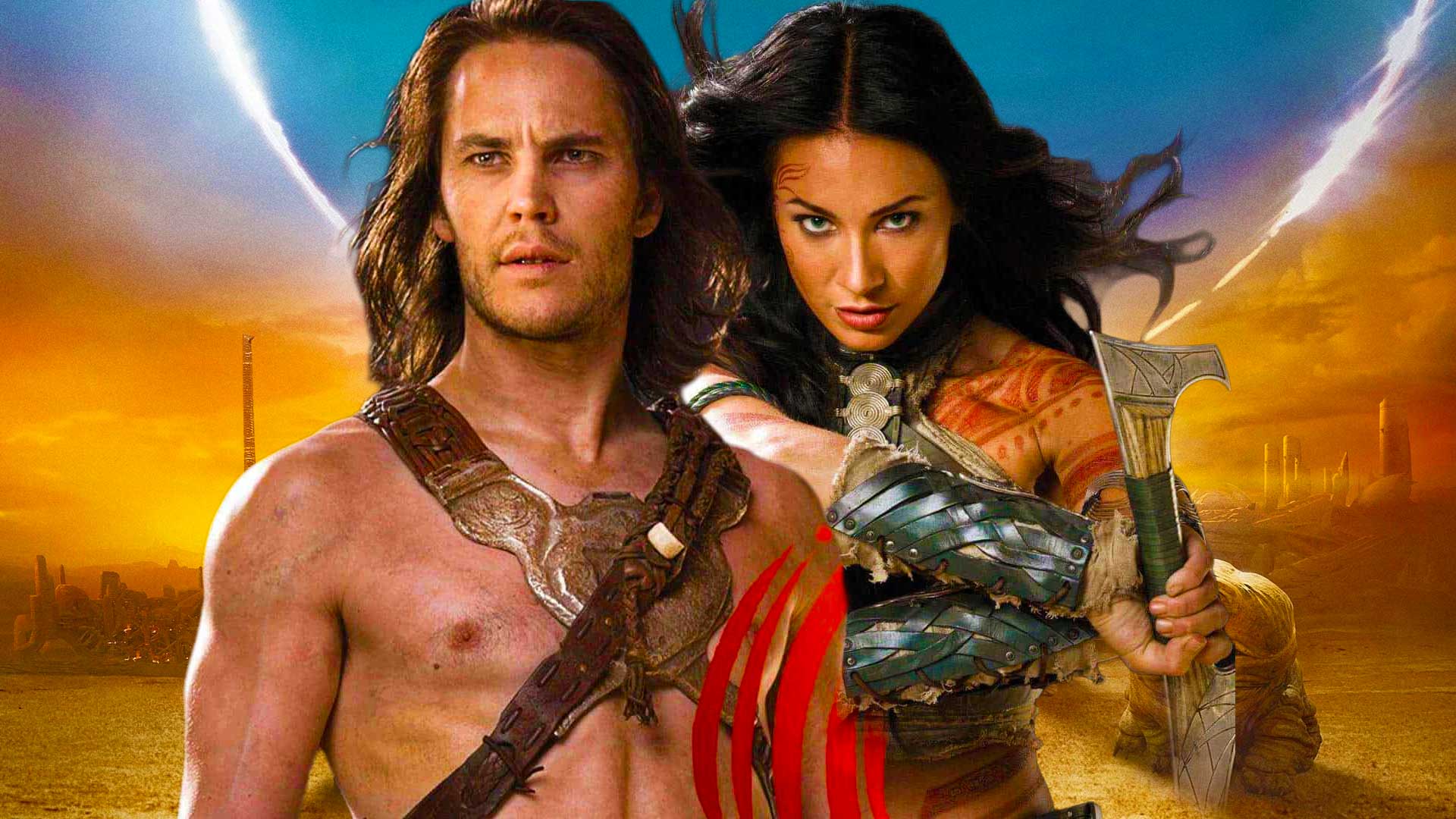
Final Verdict
John Carter 2: The Gods of Mars is bigger, darker, stranger, and more emotionally charged than expected.
It is not a safe sequel. It is a reckless one — and that is exactly why it works.
While the film occasionally stumbles under the weight of its own mythology, it delivers the kind of sweeping sci-fi adventure that feels rare today: bold, emotional, visually immense, and unafraid to treat pulp fantasy like ancient legend.
This is not just a return to Barsoom.
It is a resurrection.

Verdict: 8.5/10 — flawed, fearless, and far more powerful than anyone expected.
And if this is where the war truly begins, we are not ready for what comes next.