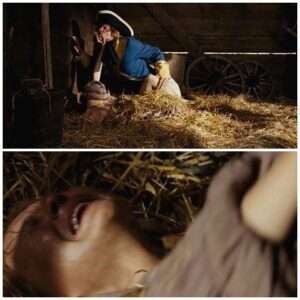
Onkel (2019) is a quiet, heartfelt Danish drama that explores family bonds, personal sacrifice, and the search for purpose. The story follows Kris, a young woman who has spent her teenage years living on her disabled uncle’s farm. Her days are defined by routine and responsibility, leaving little room for dreams of her own. But when an unexpected connection enters her life, everything she thought she knew begins to shift.
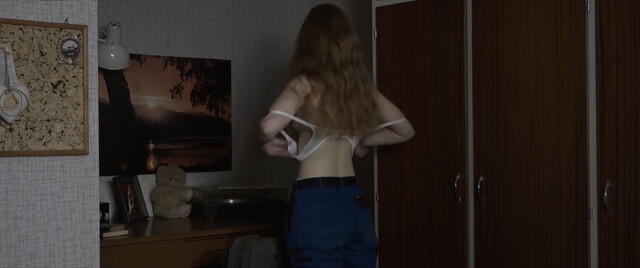
The film stands out for its subtle and authentic approach to storytelling. Instead of relying on dramatic twists, Onkel focuses on the small, intimate moments that reveal Kris’s inner world—her loneliness, her loyalty, and the lingering question of who she wants to become. The farm, with its quiet fields and repetitive tasks, becomes both a comfort and a cage, reflecting her emotional struggle.

As love begins to bloom in Kris’s life, she is confronted with a life-changing choice: remain in the safety of the familiar or risk stepping into an uncertain future. This turning point brings depth and vulnerability to the narrative, highlighting the delicate balance between obligation and self-discovery. The film’s gentle pacing allows viewers to fully feel the weight of her decision.
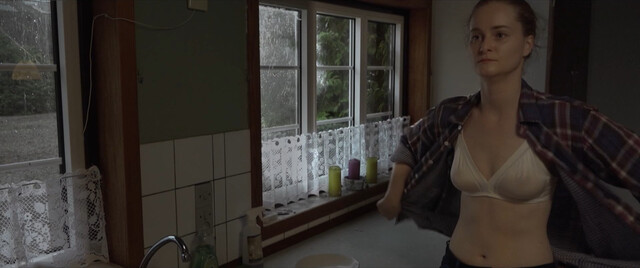
One of Onkel’s greatest strengths is its emotional honesty. The performances are grounded and natural, capturing the complexities of caregiving, family dependency, and the longing for something more. Kris’s relationship with her uncle is tender and genuine, making her dilemma even more poignant.
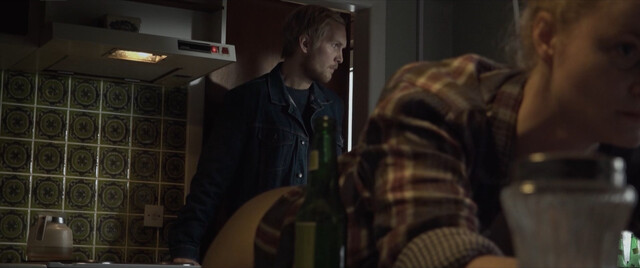
For audiences who appreciate understated, character-driven dramas, Onkel (2019) offers a moving and beautifully crafted experience. It is a story about love, duty, and the courage it takes to choose your own path when life presents a rare chance for change.