Nobody’s Home (2013) is a haunting and quietly powerful Turkish drama that examines the slow emotional collapse of a family. Shot with minimalist style and intimate detail, the film avoids traditional storytelling devices and instead invites viewers into a world shaped by silence, distance, and unspoken pain. Its realism is striking, revealing moments that feel almost too true to watch.

At the center of the story is a mother whose psychological trauma has left her emotionally absent. She is physically there, yet her presence feels hollow, as if she is drifting just outside the edges of her own life. This emotional vacancy becomes the defining environment in which her children grow up, shaping their identities in subtle but devastating ways.
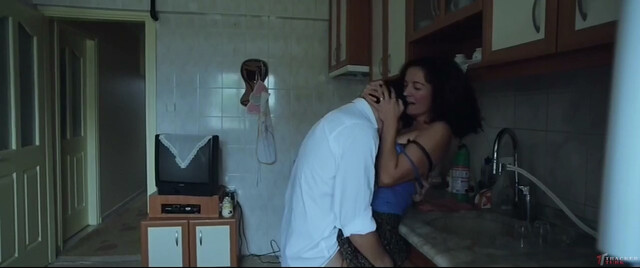
The teenage son attempts to imitate strength and masculinity, pushing against the world with aggression and confusion. His clashes with society reflect his inner turmoil, revealing a young man trying to find solid ground in a home where nothing feels stable. The daughter, on the other hand, becomes an observer—absorbing the pain around her while quietly longing for warmth and attention that never comes.
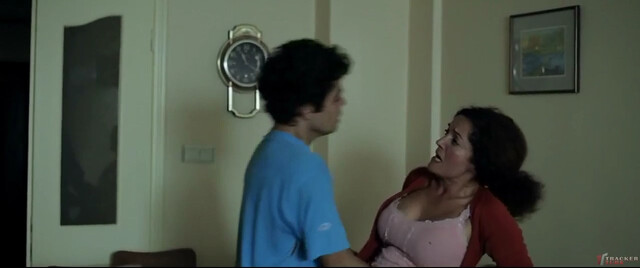
Director Deniz Akçay uses long, measured takes and muted soundscapes to create an atmosphere of stillness. Silence becomes the film’s most powerful tool. Empty rooms, half-finished conversations, and the absence of emotional connection say more than any dramatic dialogue could. The film focuses on small, everyday moments—a breakfast shared without eye contact, a door closing in an empty hallway—that carry immense emotional weight.
Nobody’s Home does not strive to entertain. Instead, it confronts the viewer with a raw portrayal of loneliness, neglect, and the fragile threads that hold families together. Its poetic realism invites reflection on how emotional wounds form and how easily they can shape an entire household.