“Winter Brothers” (2017) is an atmospheric drama set deep within a harsh, icy landscape. The story follows two brothers working in a limestone quarry, capturing their daily routines, personal rituals, and the emotional distance shaped by their cold environment. The film builds its narrative through silence, physical labor, and the unspoken tension between the characters.


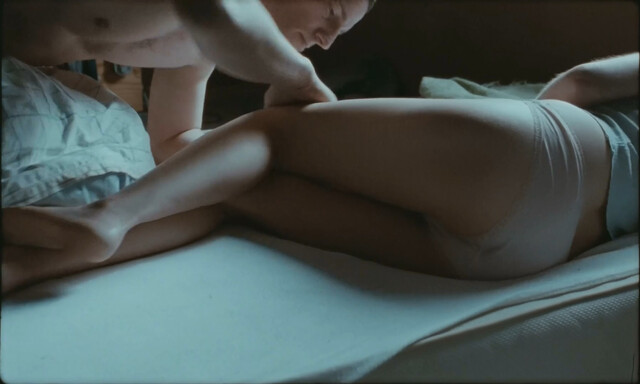
The movie stands out for its visual style. The pale, washed-out cinematography reflects the unforgiving winter and the toughness of the workers’ lives. Every frame feels carefully designed to emphasize isolation and monotony, making the setting feel like a character of its own. This visual approach gives the film a haunting, almost surreal quality.
The relationship between the two brothers forms the emotional core of the story. Their bond is strained, yet unbreakable. As a violent conflict arises in their close-knit community, the film explores loyalty, anger, and vulnerability. Instead of relying on heavy dialogue, “Winter Brothers” uses gestures, routines, and small moments to reveal the complexity of their connection.

One of the most compelling aspects of the film is its slow-burning intensity. The narrative unfolds gradually, allowing viewers to immerse themselves in the daily rhythm of the quarry workers. This pacing creates a raw authenticity, showing how isolation and hardship shape the characters’ identities. The feud that develops feels sudden yet inevitable, adding a dramatic layer to an otherwise quiet storyline.
For audiences who appreciate artistic cinema, “Winter Brothers” offers a unique experience. It is less about traditional plot structure and more about atmosphere, mood, and human behavior. The film’s blend of realism and art-house style makes it memorable, especially for those who enjoy visually driven storytelling.